
Have you ever let an injury derail your fitness goals? The solution might be to switch up your routine to do low-impact aerobics to keep you on track. If you are at the beginning of your fitness journey or need to get back on track, you should do low-impact aerobics.
Aerobics to Tone, Firm, and Build Your Muscles
When you think about aerobics, you might picture an instructor leading a class in rhythmic exercises to music. That is one type of traditional aerobics. However, aerobics in a more general sense refers to a cardiovascular workout that improves your coordination, muscle strength, mobility, and general well-being.
How Aerobics can Benefit You
Aerobics has many different health benefits. It can help you:
- Burn calories
- Reduce your body fat
- Improve your bone density (if you combine it with resistance training)
- Manage your weight
- Reduce your risk of cardiac diseases by lowering your blood pressure and slowing down atherosclerotic processes
- Improve your aerobic fitness
- Improve your coordination and balance
- Shape and tone your muscles
- Improve your muscular endurance and flexibility
- Improve your muscular strength, posture, and general performance
High-Impact vs. Low-Impact Aerobic Exercise
Traditional aerobic exercises are usually high impact and often cause leg injuries. These high-impact aerobic exercises used to be very popular in regular aerobic workouts, but now they’re a thing of the past. As knowledge about fitness has increased, you may have noticed more people turning to low-impact aerobic exercises.
In high-impact aerobic exercises, such as simulated rope jumping or jumping jacks, both your feet leave the ground at the same time. Newer, low-impact fitness routines focus on activities where one of your feet remains on the ground at all times. Low-impact aerobics may sound less intense, but they can still help you get into shape.
What You Need to Know About Low-Impact Aerobics
Both high-impact and low-impact aerobic exercises can benefit your health. However, low-impact aerobics has become more popular for a reason. Here are a few things you should know before you jump (or step) into low-impact aerobics.
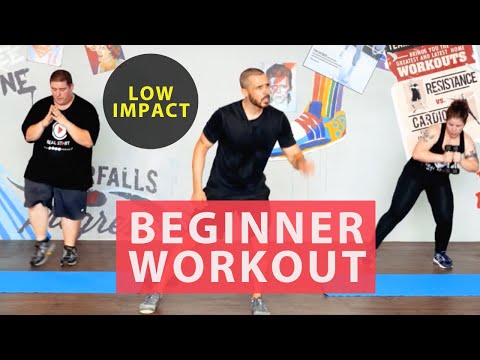
At Home Low Impact Fat Burning Workout Video
Daniel from the Body Project leads a 30 minute low impact fat burning body weight workout you can do at home.
Types of Low-Impact Aerobic Exercise
Today there are many types of low-impact cardio exercises that you can do at home, in your gym or any fitness center around the world. To make up for the lack of jumping, many of these newer routines include forms of yoga, boxing, kickboxing, or other types of martial arts. You can also use weights to increase the intensity of your aerobic workout.
The intensity of Your Low-Impact Aerobic Exercises
Just because your aerobic exercises are low impact doesn’t mean that they’re low intensity. Many low-impact aerobic exercises can help you burn more fat and more calories than the more traditional high-impact aerobic (cardio) exercise routines. Your low-impact aerobic exercise routine can still challenge you and build up your cardiovascular system.
Benefits of Low-Impact Aerobic Exercise
High-impact exercises have their health benefits. However, they also put stress on your joints, tendons, and ligaments. The added stress can increase your risk of overuse syndrome, as well as strains, sprains, and joint injuries. Low-impact aerobics can improve your health by increasing your cardiovascular fitness while minimizing your risk of lower-body injuries.
Potential Drawbacks of Low-Impact Aerobic Exercise
There are a few potential drawbacks to low-impact aerobics.
- One problem with low-impact aerobics is that, depending on the intensity of your program, you may not be pushing your heart hard enough to derive any aerobic benefits. The optimum pulse range you should achieve in an aerobic workout is your regular pulse plus 75 percent. In other words, if your pulse usually is 100 beats per minute, your rate during aerobic exercise should be around 175. It may be impossible for you to achieve this optimum heart rate during a low-impact workout. If you’re already in good cardiovascular shape and then switch to a low-impact program, you may be reducing your heart health, oxygen utilization, and energy reserve.
- Another potential drawback of the low-impact system is that with many of the weight exercises, you have to strain and stretch your muscles to maintain your balance. Since both your feet are usually on the floor, this can overwork the muscles in your upper body.
- Low-impact exercise can also increase your risk of tendinitis and even bursitis in your shoulders and arms. Since you do most low-impact exercises while standing erect, you might also be at risk of ankle injuries.
Finding the Best Workout for You
Now that you know the pros and cons of both high-intensity and low-intensity aerobics, it’s time to find the best workout for you. Here are a couple of possible solutions:
- You could combine your low-impact aerobic exercise with resistance (weight) training as a separate workout.
- You could alternate low-impact aerobic exercise with high-impact aerobic exercise routines. This way, your body will get a variety of different types of training, which can maximize your fitness gains.
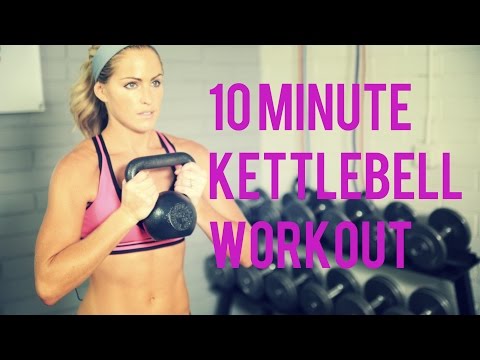
10 Minute Low Impact Aerobic Full Body Kettlebell Routine
If you are ready for a quick challenge. Amy at BodyFit By Amy will rock you with this 10 Minute High-Intensity Low Impact Kettlebell workout.
Remember to Start Slow
As with all exercise, if you’re new to aerobics, you must start slow. You should begin with low-impact aerobic workouts until your body is acclimated to aerobic (cardio) exercise. Once your muscles have been adequately introduced to the wonders of aerobic exercise, it’s time to increase the intensity of your workouts. You can do this by increasing your time, pace, or the complexity of your routine, or you can periodically incorporate a high-impact exercise.
When you are ready to raise the intensity, check out how to use Intensity Interval Training (HIIT) for better results.
What low impact aerobic exercise do you enjoy?
Share This Article On Pinterest With This Image