
Protein is a key nutrient for anyone looking to optimize their lean muscle mass. But when it comes to the timing of protein consumption, there is often confusion about what works best. In this blog post, we will be examining the science behind protein timing for optimizing lean muscle mass. We will discuss the benefits of consuming protein before and after a workout, as well as the ideal window for consumption. If you are looking to optimize your lean muscle mass, read on to learn more!
1. Introduction
Protein timing is an important factor when it comes to optimizing lean muscle mass. Eating the right amount of protein at the right time can help your body build and maintain muscle. Eating protein at specific times throughout the day can help maximize its effectiveness. This article will discuss the importance of protein timing and the best times to eat protein for optimal muscle growth. Additionally, it will provide tips on how to make sure you are getting the most out of your protein intake. By following these simple guidelines, you can ensure that you are taking full advantage of your protein intake to maximize lean muscle growth.
2. What is Protein Timing?
Protein timing is the idea of consuming protein at specific times throughout the day in order to maximize the benefits of protein for building lean muscle mass. The concept of protein timing is based on the idea that the body can only process a certain amount of protein at any given time. Therefore, if you consume too much protein in a single sitting, it can be difficult for your body to absorb all the nutrients. To maximize the benefits of protein for building muscle, it is important to spread out your protein intake throughout the day and ensure that your muscles have access to protein when they need it. Eating a small amount of protein every few hours is a great way to make sure that your body is getting all the nutrients it needs. Additionally, consuming protein before and after workouts can help ensure that your muscles have the energy they need to perform at their best.
3. The Benefits of Protein Timing
Protein timing is an important factor in optimizing lean muscle mass. Consuming protein at the right time can help maximize muscle growth and recovery. Eating protein immediately before and after a workout can help to kickstart the process of muscle repair and growth. A study conducted by the Journal of Nutrition and Metabolism found that consuming a protein supplement prior to exercise increased muscle synthesis. Another study showed that consuming a protein shake within an hour of completing a workout can significantly reduce muscle soreness. In addition to pre- and post-workout meals, consuming protein throughout the day is important for muscle growth and repair. Eating smaller meals more frequently helps to keep the body in an anabolic state, which is when the body is in a state of growth. Eating protein every 3-4 hours can help maintain energy levels and keep the body in an anabolic state.
Overall, timing protein intake correctly is essential for optimizing lean muscle mass. Protein should be consumed both before and after a workout, as well as throughout the day. By eating smaller meals more frequently, you can ensure that your body is in a state of growth and can recover efficiently from exercise.
4. How to Time Protein Intake for Lean Muscle Mass
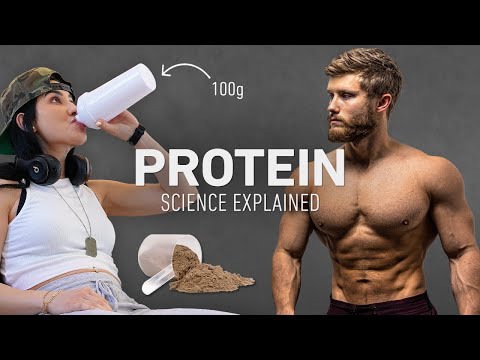
Protein timing is an important factor in optimizing lean muscle mass. Eating protein within two hours after a workout can help the body recover and build muscle. This is because the body needs amino acids, which are the building blocks of protein, to repair and rebuild muscle fibers. Eating protein after a workout also helps the body replenish energy stores and reduce post-workout soreness. In addition to timing, it is important to get the right amount of protein for maximum benefit. The general recommendation is to consume 0.14-0.23 grams of protein per pound of body weight per day to support muscle growth. For example, if you weigh 150 lbs, you should aim for 21-34 grams of protein per day. Eating the right amount of protein can help you reach your muscle-building goals faster.
It is also important to consider the type of protein you are consuming. Different types of protein have different levels of amino acids, so it is important to choose a quality source of protein. Examples of quality sources include eggs, fish, lean meat, nuts, and dairy products. Eating a variety of proteins will ensure your body gets all the essential amino acids it needs to build lean muscle mass.
5. How Much Protein Should be Consumed?
Protein should be consumed throughout the day in order to maximize lean muscle growth. Eating protein at regular intervals helps to keep your body in an anabolic state, which is necessary for building muscle. Consuming protein with each meal or snack helps to provide your body with the building blocks it needs to build and repair muscle tissue. A good rule of thumb is to consume at least 20-30 grams of protein with each meal or snack. This helps to ensure your body is receiving enough of the essential amino acids needed for muscle growth and repair. Eating protein with each meal also helps to keep your hunger in check, making it easier to stick to a healthy diet.
6. Best Sources of Protein
One of the best sources of protein for optimizing lean muscle mass is whey protein. Whey protein is a high-quality, complete protein that is quickly absorbed into the body and helps build muscle. It is also low in fat and carbohydrates, making it a great choice for athletes and bodybuilders who are looking to build lean muscle mass. Additionally, whey protein has a good balance of essential amino acids, which are important for building muscle and providing energy. For those looking to increase their intake of protein, whey protein can be added to shakes, smoothies, and meals. Another great source of protein for optimizing lean muscle mass is eggs. Eggs are a complete source of protein, meaning they contain all nine essential amino acids. They are also low in calories and fat, making them an ideal choice for those looking to build lean muscle mass. Additionally, eggs are very easy to prepare and can be incorporated into many meals, such as omelets and scrambles.
Finally, plant-based proteins are also excellent sources of protein for optimizing lean muscle mass. Plant-based proteins are high in essential amino acids and are often low in fat and cholesterol. Examples of plant-based proteins include beans, lentils, nuts, and quinoa. These proteins can easily be incorporated into meals and snacks throughout the day to help build lean muscle mass.
7. Supplementation Strategies
When it comes to optimizing lean muscle mass, timing your protein intake is key. Supplementation strategies can help you reach your goals faster. Here are a few tips to keep in mind when supplementing your protein intake:
Take protein immediately after your workout. This will help your body repair and rebuild muscle tissue, and it also helps with muscle growth.
Consume protein at regular intervals throughout the day. Eating protein at regular intervals helps to keep your body in an anabolic state and helps to prevent muscle breakdown. Use a combination of proteins to maximize your benefits. Different types of protein provide different benefits, so it’s important to use a combination of them to get the most out of your supplementation strategy. Whey protein, casein protein, egg protein, and soy protein are all good sources of protein that provide different benefits.
Make sure you’re getting enough calories overall. Protein is important for muscle growth, but it’s also important to make sure you’re getting enough calories overall to support your goals.
By following these tips, you can maximize your results and reach your goals faster. Protein timing and supplementation strategies are key components of an effective muscle-building program.
8. Conclusion
In conclusion, protein timing is important for optimizing lean muscle mass. Eating the right amount of protein at the right times can help to maximize your muscle gains. Eating a balanced diet with regular meals and snacks throughout the day is key to getting the protein you need. You can also use protein supplements to ensure that you get enough protein. Remember to focus on both quality and quantity when it comes to protein intake. Eating a variety of proteins, such as lean meats, fish, eggs, dairy, and plant-based proteins, will provide your body with the nutrients it needs to build lean muscle mass. With the right nutrition and exercise plan, you can maximize your lean muscle mass with proper protein timing.
References: Amino Acid and Protein Metabolism During and After Exercise and the Effects of Nutrition | Nutritional Strategies to Promote Post-Exercise Muscle Protein Synthesis | Protein Timing and Its Effects on Muscular Hypertrophy and Strength Gain | Timing of Protein Intake: Effects on Muscle Mass, Performance, and Recovery in Athletes